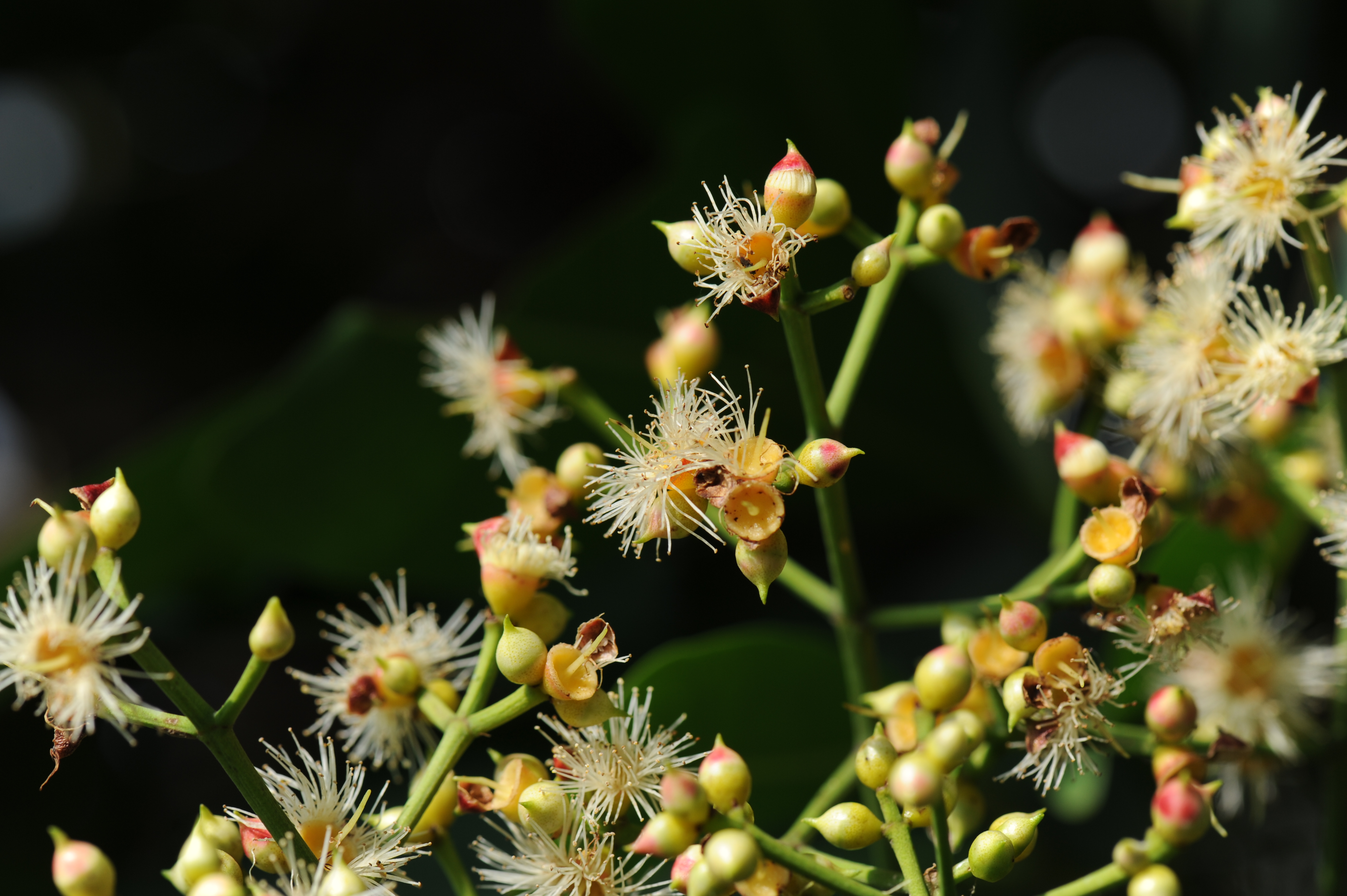
Lidded Cleistocalyx (Cleistocalyx nervosum) is a popular native species in Hong Kong. Native species offering fruits and nectar as food sources for local wildlife are widely used by local authorities in the past years (AFCD, 2018). Lidded Celistocalyx can be found not only in afforestation areas but also in Country Park areas. The concerned Lidded Cleistocalyx located in a recreational site. It was a mature tree of about 9m in height and 220mm DBH. The canopy width at the widest was 7.5m. The foliage density was sparser than normal. Foliage colour was fine. Its leave size was a bit smaller than normal. Water spouses were found on the branches. Epiphytic plant, Creeping Fig (Ficus pumila), was found on the trunk. It is a native climber widely distributed in Hong Kong.
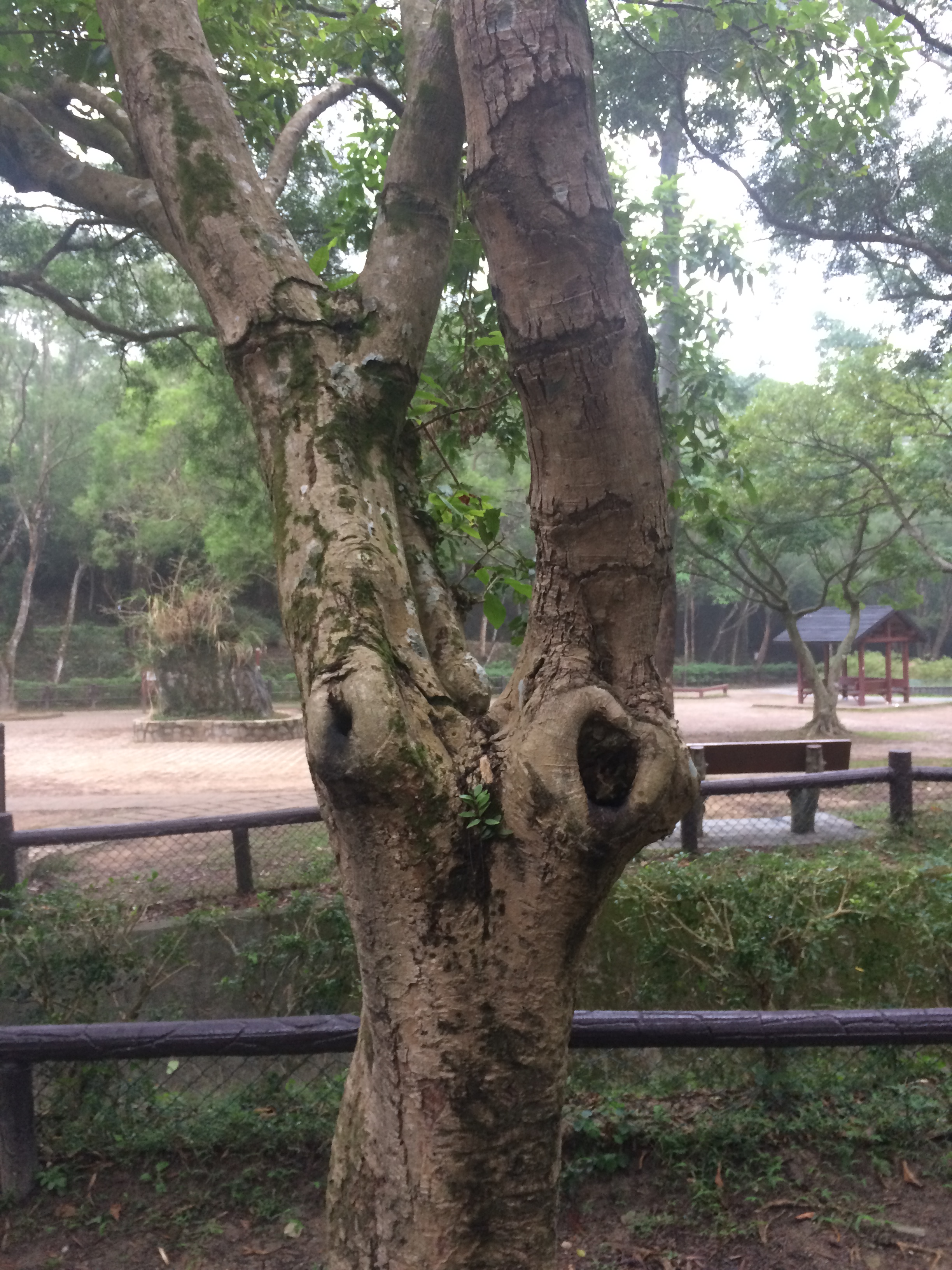
The concerned Lidded Cleistocalyx had three main trunks developed from the same joint. It was likely that the pit formed at the joint could hold water during wet season and could eventually lead to decay. In total four cavities were found. Three of them at three separated branches near the trunk, almost at the same level. One cavity was found at a branch at higher level.


Risk Abatement
All cavities found were suspected formed from mechanical wound due to bad pruning exercise. The wounds were not closed nicely by compartmentalization (Shigo, 1989). These cavities found were roughly measured and inspected. Decay were found in all cavities and it was suspected that the decays were likely to go on. I did not have much idea on how the decay developed inside. Whether decays were formed along the longitudinal axis of the trunk or branches remained unknown. The worst case would be the root system be affected.Cracks were found along the tension side of the trunk, suggesting cavities might have already adversely affected the structural integrity of the tree.
Guying would be an option to stabilise the tree but was not recommended. Such act would adversely affect the development of the reaction wood due to Thigmomorphogenesis (Jaffe, 1973). It was recommended to conduct minor crown reduction. Crown reduction would be an effective measure to reduce crown weight and correct crown balance. Large scale of crown reduction so as to reduce crown weight was not recommended as it might further aggravate the health of the tree.
After crown reduction, this tree should be put under close monitoring for stability and decay development. Tree defects inspection tools including resistograph and tomograph were also recommended to find out the extent of decay.
After Typhoon Mangkhut
After the attack of super typhoon Mangkhut, the concerned Lidded Cleistocalyx was re-inspected. Surprisingly there was laterally no major damage on this tree. It was probably due to its location. Compare to two other trees as mentioned, this tree located at a well sheltered recreational site surrounded by a number of big trees. Therefore the level of wind exposure was low.

References
Agriculture, Fisheries and Conservation Department (AFCD), 2018. Enriching Our Countryside with Native Flora. Accessed on 28/11/2018 via: http://www.afcd.gov.hk/english/country/cou_lea/planting_history.html
Jaffe, M.J., 1973. Thigmomorphogenesis: The Response of Plant Growth and development to Mechanical Stimulation; Planta 114, 143-157.
Shigo, A.L., 1989. A New Tree Biology; Durham, New Hampshire, USA, Shigo and Trees, Associates.
 Portfolio of Tree Risk Cases